


What does the Roadless Area Conservation Rule do?


For the past generation, the Roadless Area Conservation Rule has protected nearly one-third of our national forests, and more than 43,000 miles of trails, from activities like road construction, logging and mining. The Roadless Rule protects some of our state’s most beloved outdoor destinations, clean drinking water for millions of Americans and provides economic benefits to rural communities.
For the past generation, the Roadless Area Conservation Rule has protected nearly one-third of our national forests, and more than 43,000 miles of trails, from activities like road construction, logging and mining.
In 2001, 1.6 million Americans gave public comment on the creation of the Roadless Rule; the vast majority (95%) were in favor. It was the most public support received for a rule in our country’s history.
 Several sections of the Pacific Crest Trail (PCT) run through Roadless Areas in Washington, including this section of the PCT in the Norse Roadless Area where the trail climbs towards Sourdough Gap. Photo by Laura Norsen.
What outdoor places in Washington state are protected by the Roadless Rule?
The Roadless Rule protects some of our state’s most beloved outdoor destinations, including Washington Pass along Highway 20, Baker Lake, Lake Chelan, Quinault Lake, Silver Star Mountain and more.
- Roadless areas span Washington state’s six national forests. Check out this map from our partners at Outdoor Alliance.
- You may be surprised to learn that your favorite hikes — or ones you have yet to discover — are in Roadless areas.
National forests provide clean drinking water for millions of Americans
- Clean water is one of the most important resources our national forests provide. Wildlife depend on this clean water — and so do people.
- Nationally, 80 million Americans rely on national forests as their drinking water source.
- Leavenworth, Kittitas County, Walla Walla and other communities in Washington rely on drinking water from forests protected by the Roadless Rule.
- The Roadless Rule keeps water clean by preventing road-building and timber harvesting. Those activities disturb the soil, adding sediment and pollution to our waterways.
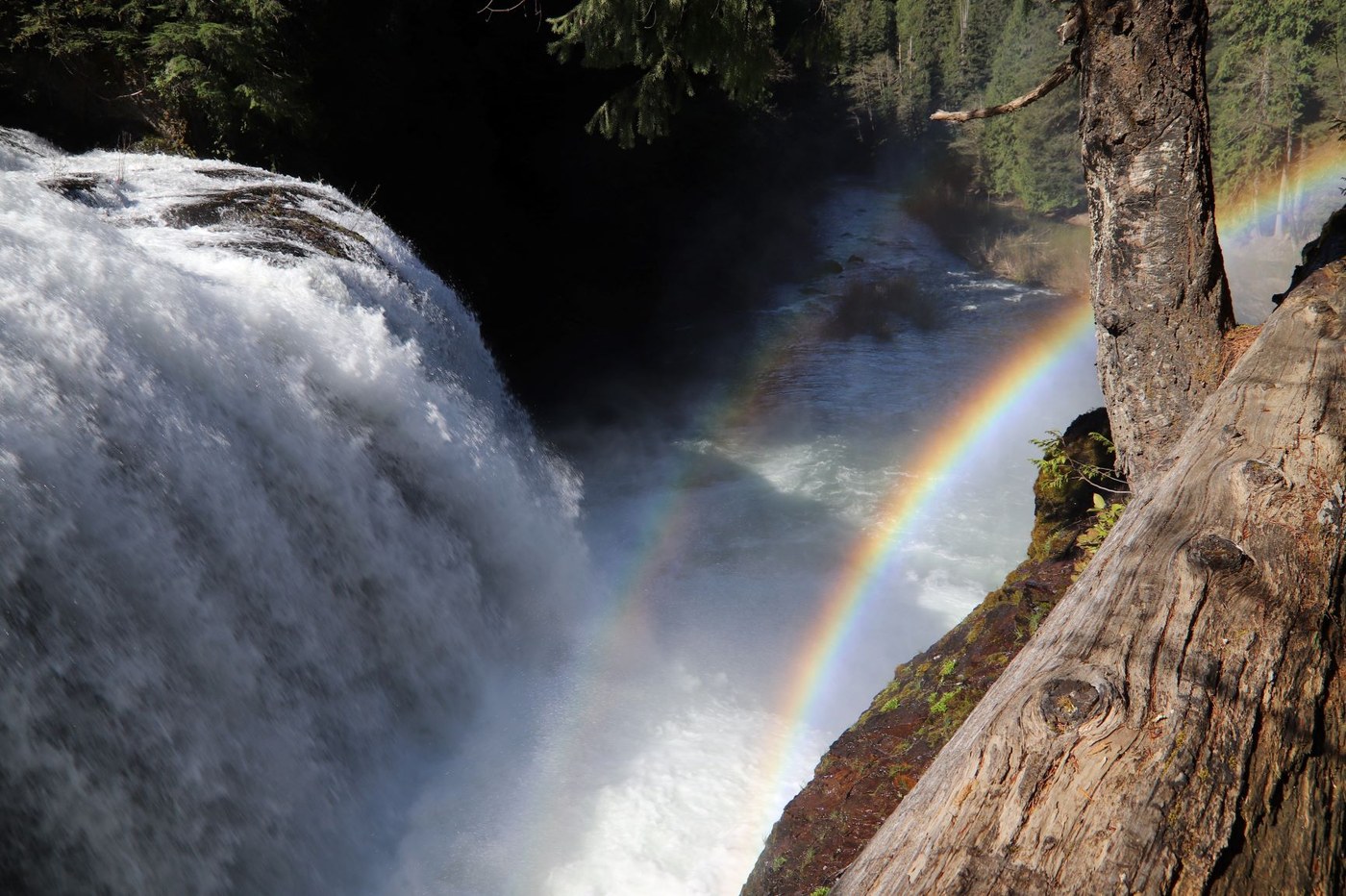 Roadless Rule protections keep drinking water clean for 80 million Americans, including Washington communities like Leavenworth and Walla Walla. Photo by trip reporter BeaverDawg.
Economic benefits for rural communities, small businesses and jobs
- Visitation to our national forests — including destinations protected by the Roadless Rule — boosts the economies of rural towns that are gateways to these public lands.
- Outdoor recreation contributes $1.2 trillion to the national economy, including $22.5 billion to Washington state’s economy.
- Outdoor activities support 120,000 jobs in our state, particularly benefiting small businesses and people’s livelihoods in rural communities.
More roads could create more wildfires
- Well-maintained roads can help firefighters respond to a wildfire by providing access to the area, but fires are also more likely to start in areas with roads (because that’s where people are).
- A 2020 study by the Forest Service's Rocky Mountain Research Station evaluated 20 years of data and reported that building roads does not improve fire prevention or forest health.
- A 2026 study by the Forest Service in Southern California national forests found that nearly two-thirds of human-caused fires happen along roadsides. (And 95 percent of wildfires are started by humans.)
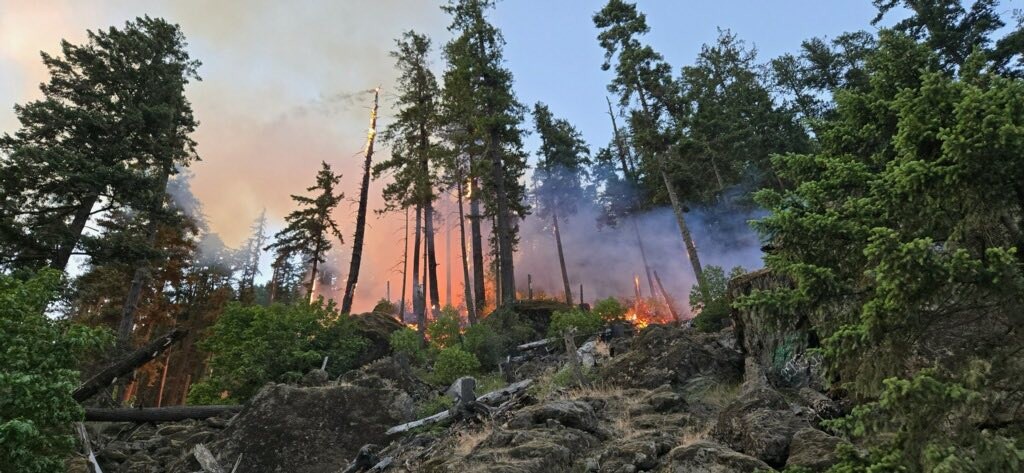 U.S. Forest Service research has found that fires are more likely to occur along roads. Photo courtesy of U.S. Forest Service.
Investments are needed in our existing road system
Forest roads are a portal to our national forests. They connect us to a variety of outdoor experiences — from barrier-free trails and family-friendly hikes to multi-day remote backpacking trips. But the Forest Service does not have the resources it needs to maintain the roads that already exist.
- The U.S. Forest Service manages 380,000 miles of road, which is more than the U.S. highway system.
- The Forest Service has approximately 15% of the budget it needs to maintain these roads so they are safe and drivable for the public. (Think potholes and washouts.)
- Decades of underfunding for our existing forest road system is leaving areas of our national forests inaccessible to the public.
We need to invest in fixing and maintaining existing forest roads to preserve and regain access to our national forests.
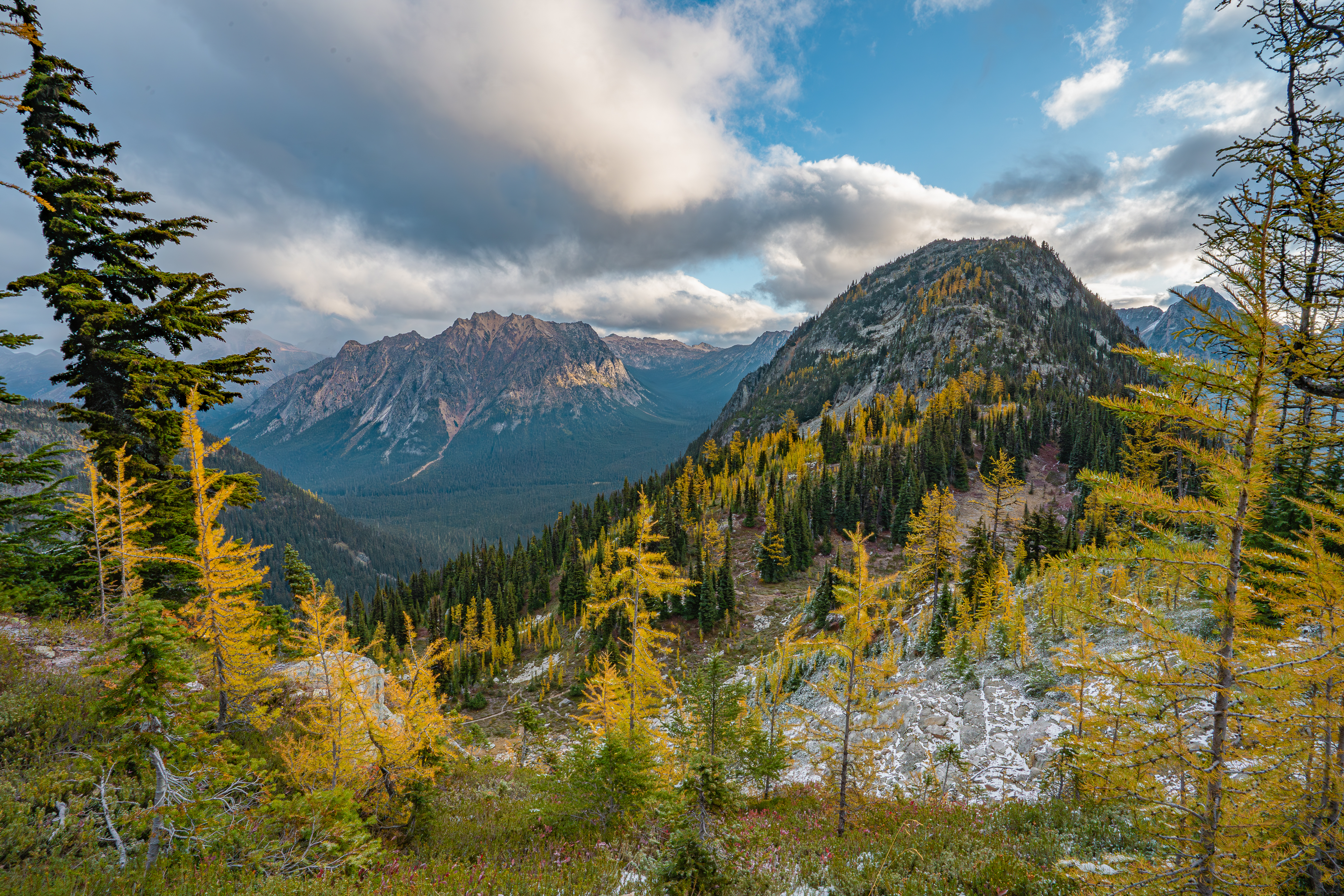 The Roadless Area Conservation Rule protects some of Washington state's most beloved outdoor places, including Heather Maple Pass (pictured), Baker Lake and Mount Townsend. Photo by Linnea Trevino.
Comments